Diabetes is known to affect the eyes, kidneys and heart; however, its impact on the auditory system is often overlooked.
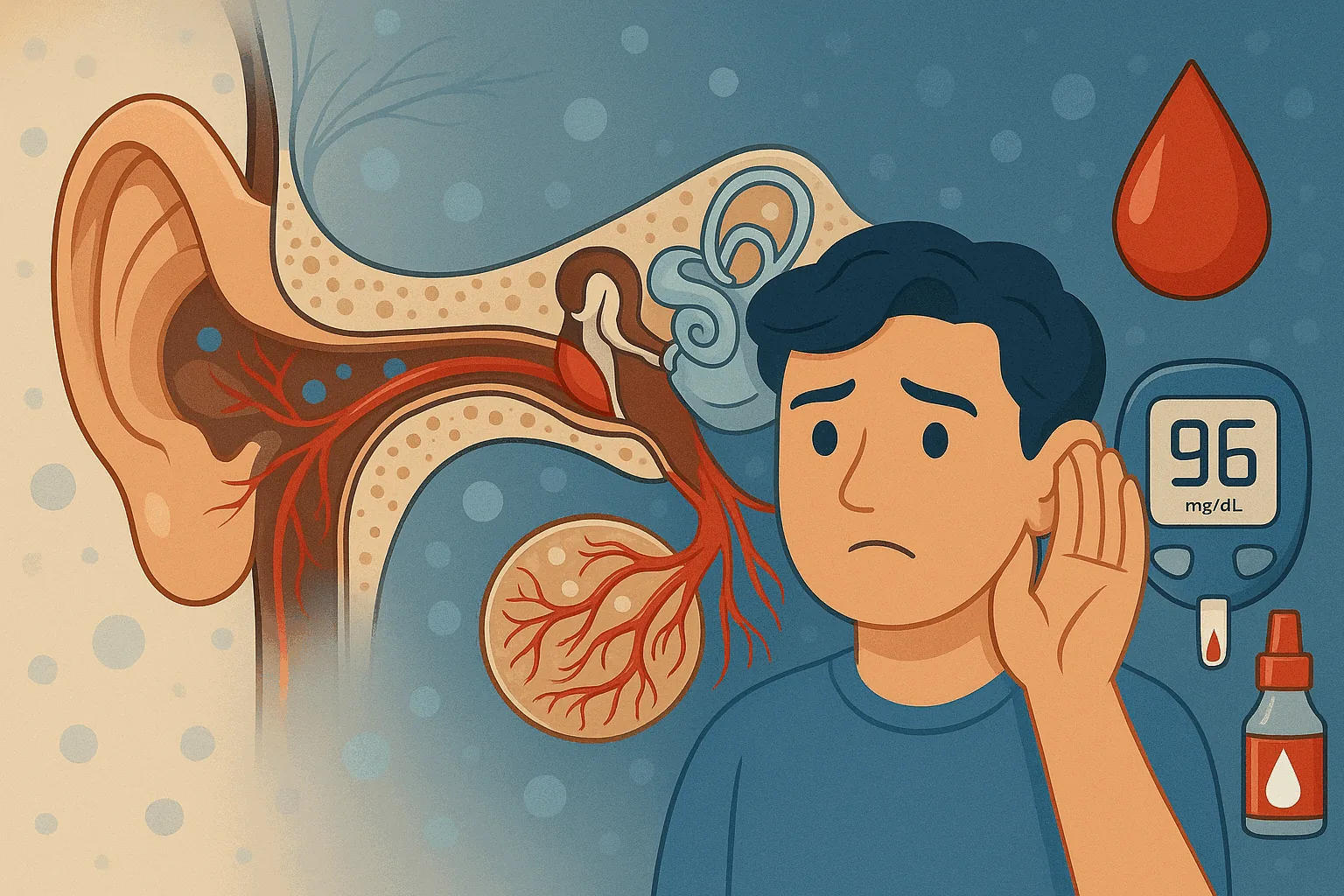
It is widely known that diabetes can affect organs such as the eyes, kidneys and heart; however, its impact on the auditory system is often overlooked. Research shows that diabetes is closely associated with hearing loss. In this article, we give short, clear answers to 8 questions in light of scientific data.
Diabetes (Diabetes Mellitus) is a group of metabolic diseases characterized by high blood glucose (hyperglycemia) resulting from defects in insulin secretion and/or action. Type 1 usually leads to absolute insulin deficiency through autoimmune beta-cell destruction; Type 2 is a progressive disease and usually results from beta-cell loss on a background of insulin resistance. In addition, a rare type due to mitochondrial DNA mutations is also associated with hearing loss.
Numerous studies show that diabetes is a risk factor for hearing loss; the prevalence of hearing loss is higher in people with diabetes. Unlike the conductive type, diabetic hearing loss is of the sensorineural type, affecting the nerve fibers and sensory cells of the inner ear.
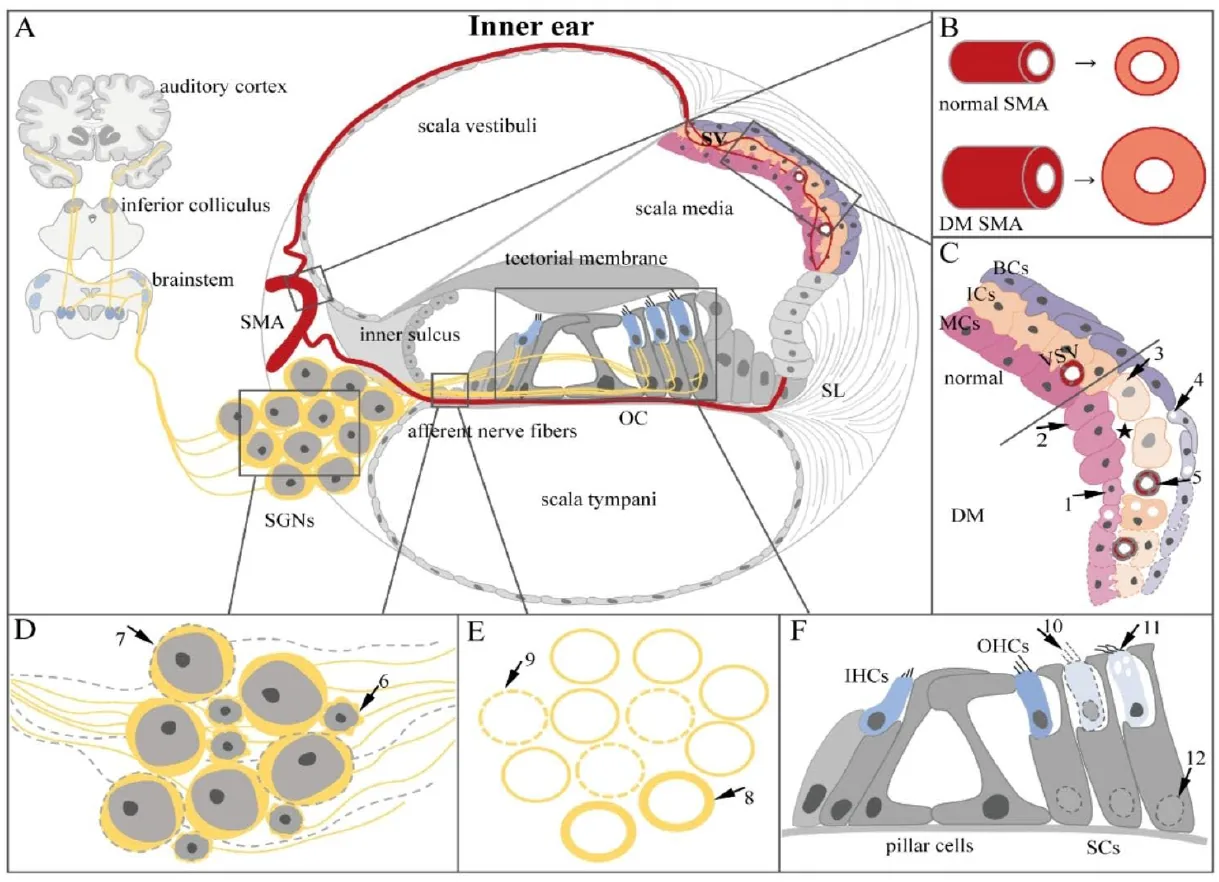
Although the mechanisms are not fully clear, the main ones are: microvascular damage, advanced glycation end products, reactive oxidative stress, mitochondrial dysfunction, demyelination in the auditory nerve, spiral ganglion loss and atrophic changes in the organ of Corti. In particular, the vessel-rich stria vascularis and the spiral ganglion in the inner ear are prone to being affected by hyperglycemia.
Typical changes are mainly in the inner ear: wall thickening in the spiral modiolar artery, atrophy in the stria vascularis, loss of spiral ganglion cells, loss of afferent nerve fibers and degeneration of outer hair cells in the organ of Corti.
Hearing is worse than in normal individuals in both Type 1 and Type 2. In Type 1, standard audiometry may appear normal in the early stage, while early cochlear damage can be detected with sensitive tests such as OAE; in Type 2, hearing is usually affected at all frequencies, especially high frequencies.
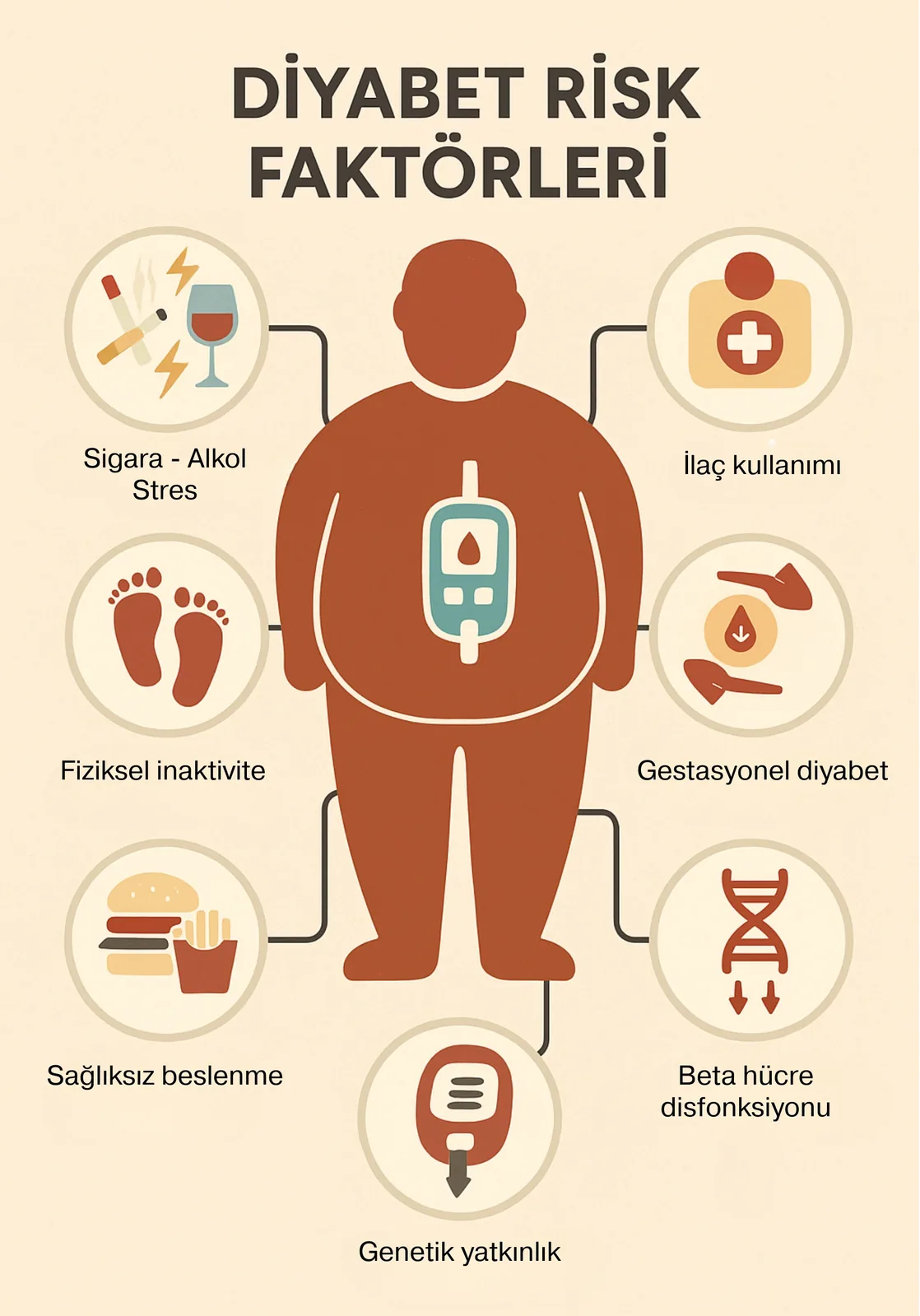
The duration of diabetes, its severity (glycemic control, HbA1c) and the patient's age are the main factors. As the duration lengthens, the risk increases; factors such as noise exposure can also aggravate the picture.
Pure-tone audiometry, otoacoustic emissions (OAE) and auditory brainstem responses (ABR) are used. OAE reflects the condition of the inner ear's hair cells and is useful for early detection; in the early stages, extended high-frequency audiometry and DPOAE are more sensitive.
Approaches focus on symptom management and control of the underlying diabetes. Good diabetes management is important in slowing progression. Although antioxidants show promise in animal models, they are not proven in humans. Rehabilitative solutions such as hearing aids improve communication and quality of life.
Deng, Y., Chen, S., & Hu, J. (2023). Diabetes mellitus and hearing loss. Molecular Medicine, 29, 141. · Samocha-Bonet, D. et al. (2021). Ageing Research Reviews, 71, 101423. · Gioacchini, F. M. et al. (2023). Medicina, 59(2), 269.
 İşitmeAtölyesi