
 İşitmeAtölyesi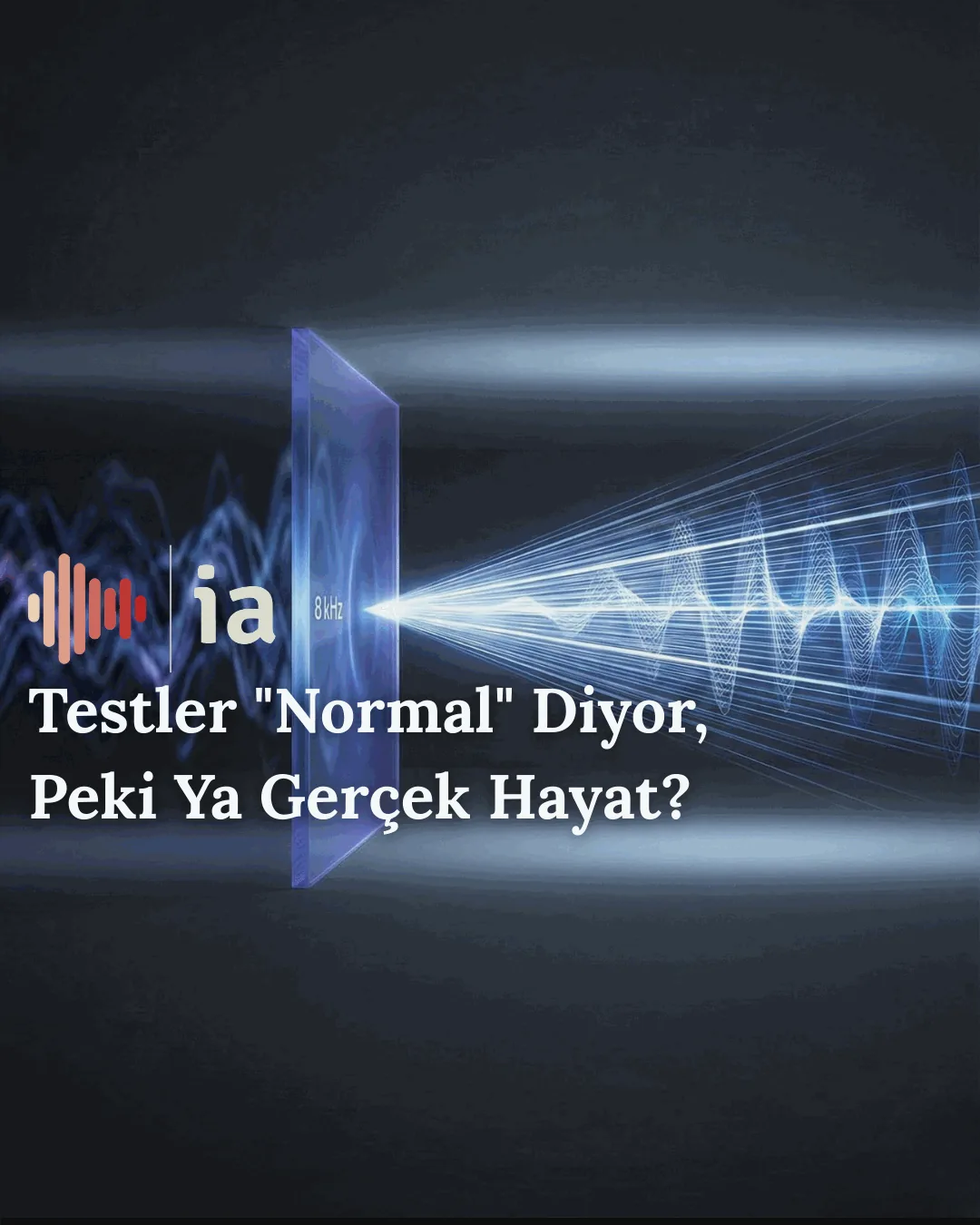
Scientific Articles
Why Are Extended High-Frequency Hearing Assessments Necessary?
The tests say 'normal' — but what about real life? We examine why extended high-frequency (EHF) hearing assessments are necessary.
We compile current research in hearing and balance science in accessible language, sharing findings, commentary and interviews.
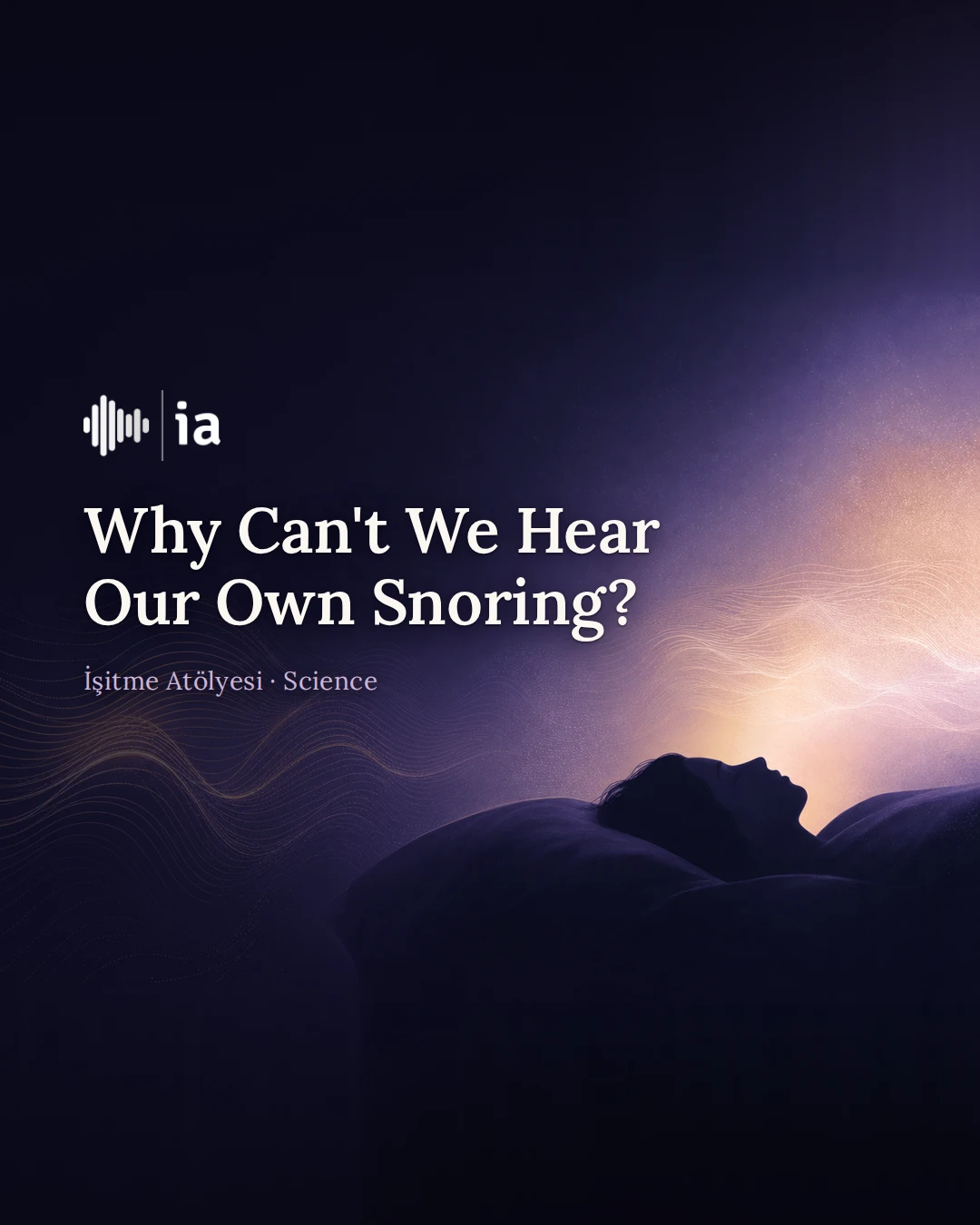
You only ever hear about your snoring from other people. The sleeping brain does not switch sound off — it filters it, ignoring the familiar and flagging the unfamiliar.
The tests say 'normal' — but what about real life? We examine why extended high-frequency (EHF) hearing assessments are necessary.
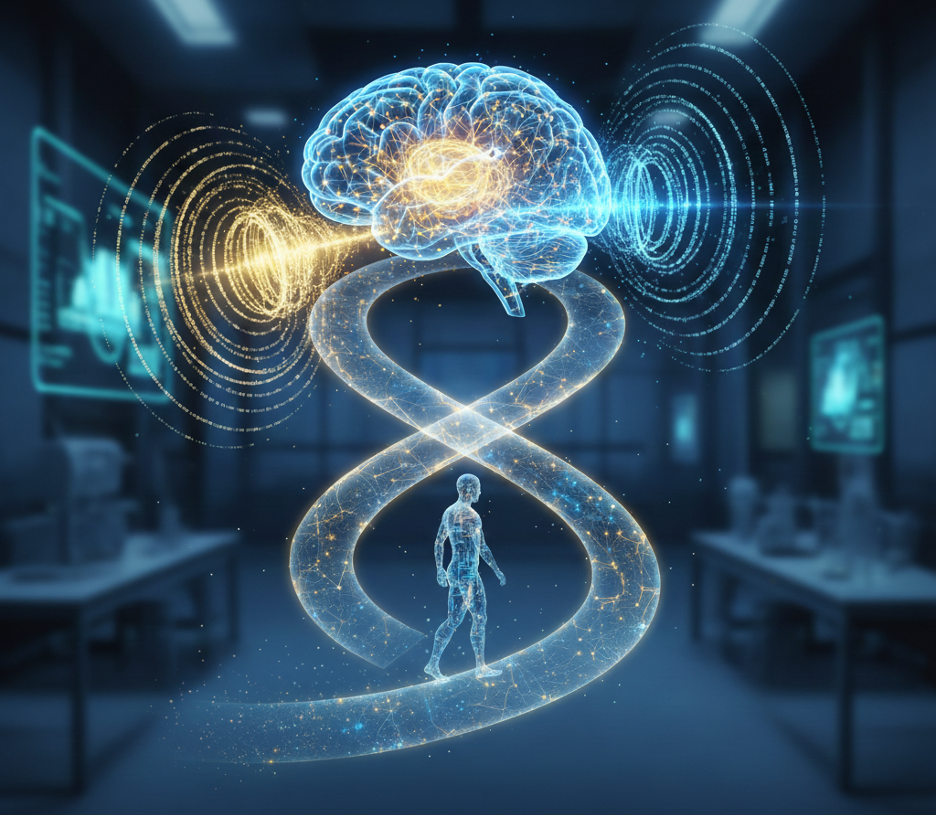
Researchers from the University of Würzburg examined, in a new study, how auditory processing is affected during walking.
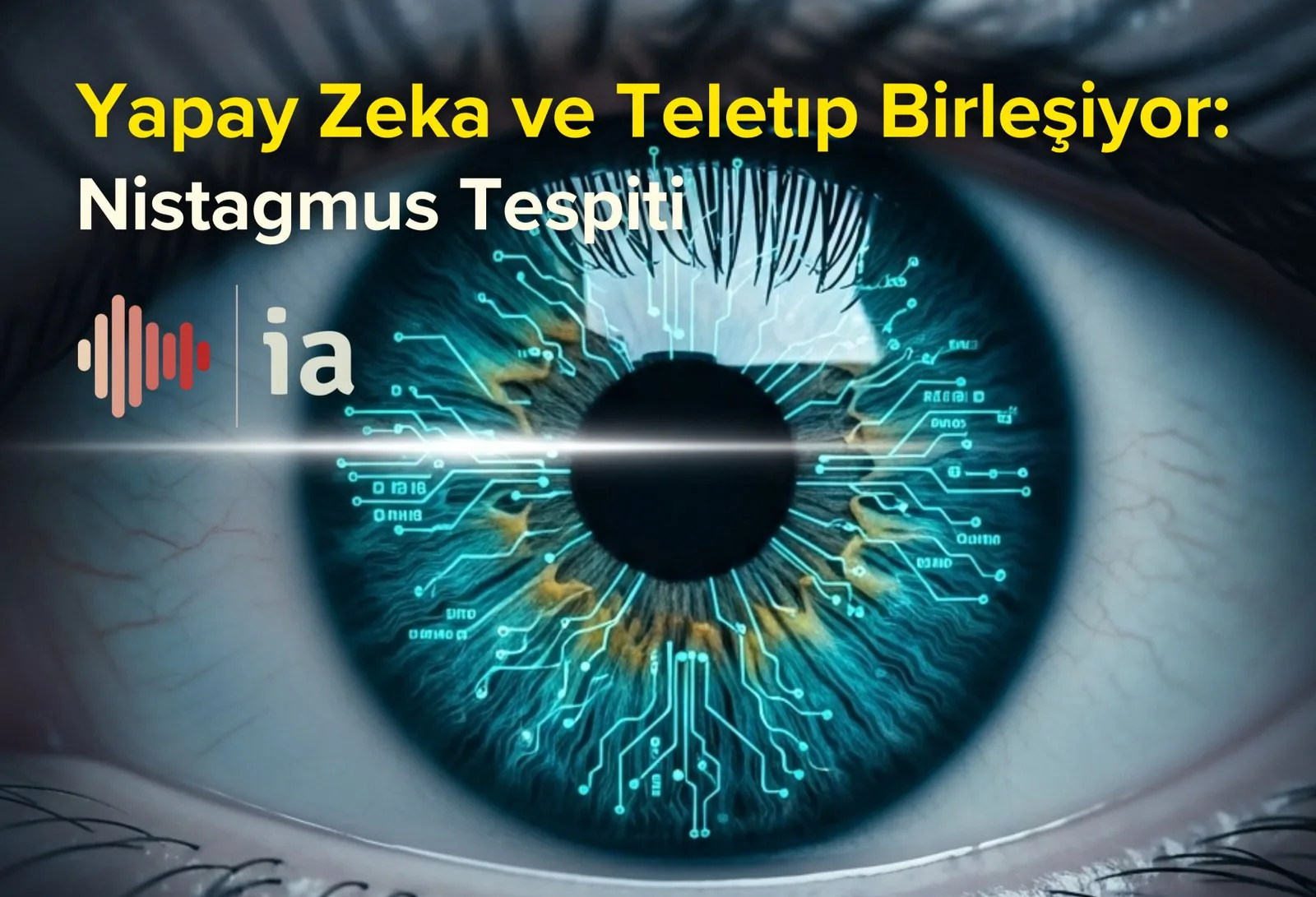
The feasibility of an AI-supported clinical decision support system capable of detecting nystagmus remotely, in real time and at low cost is examined.
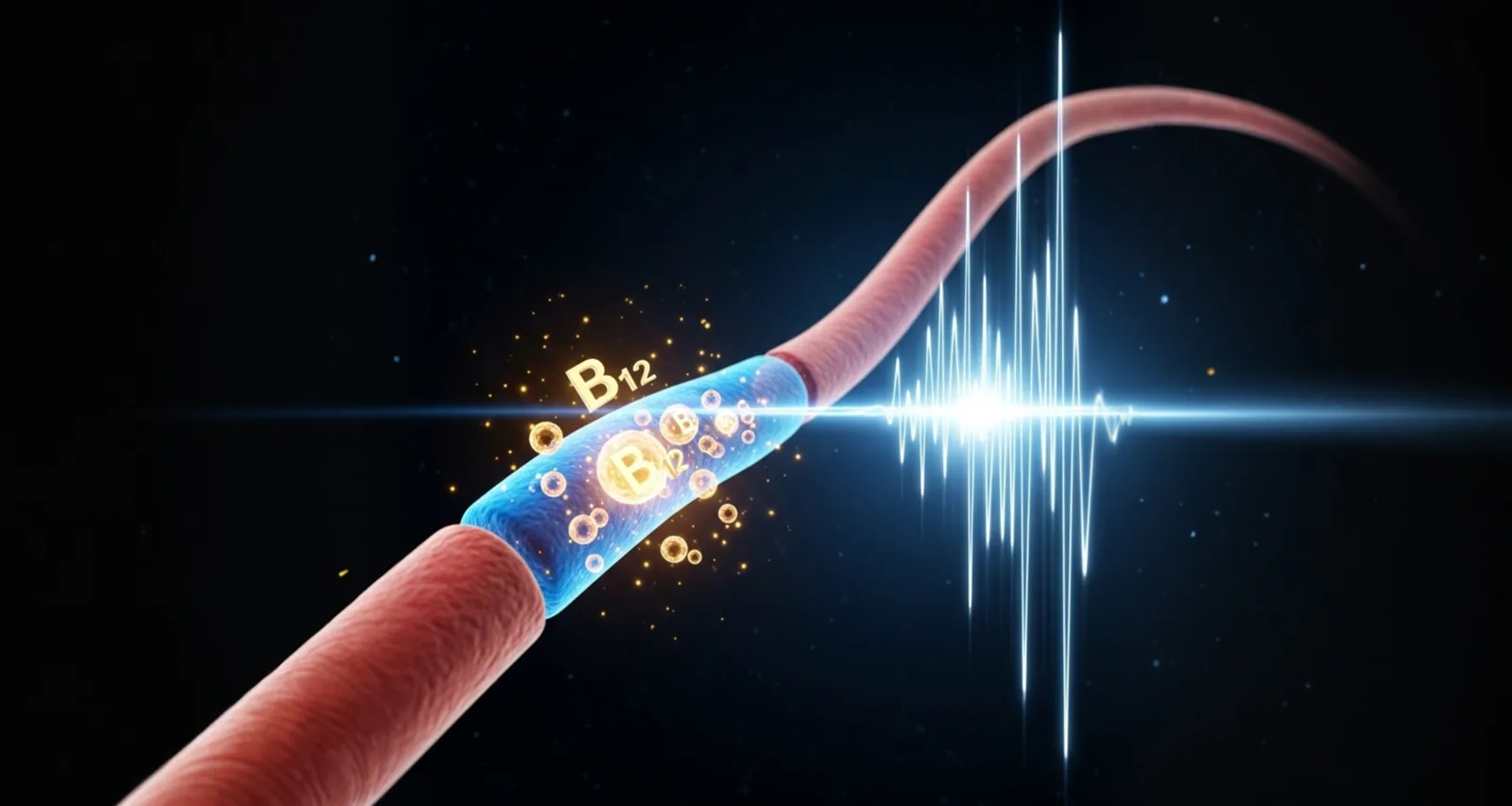
Vitamin B12 deficiency is associated with hearing loss through cochlear nerve myelination and vascular-metabolic impairment.

The mechanisms underlying the link between age-related hearing loss and Alzheimer's risk are being investigated.

Hearing is a critical sense for children to explore the world and develop. Yet some children are born with hearing loss due to genetic factors; gene therapy offers hope.
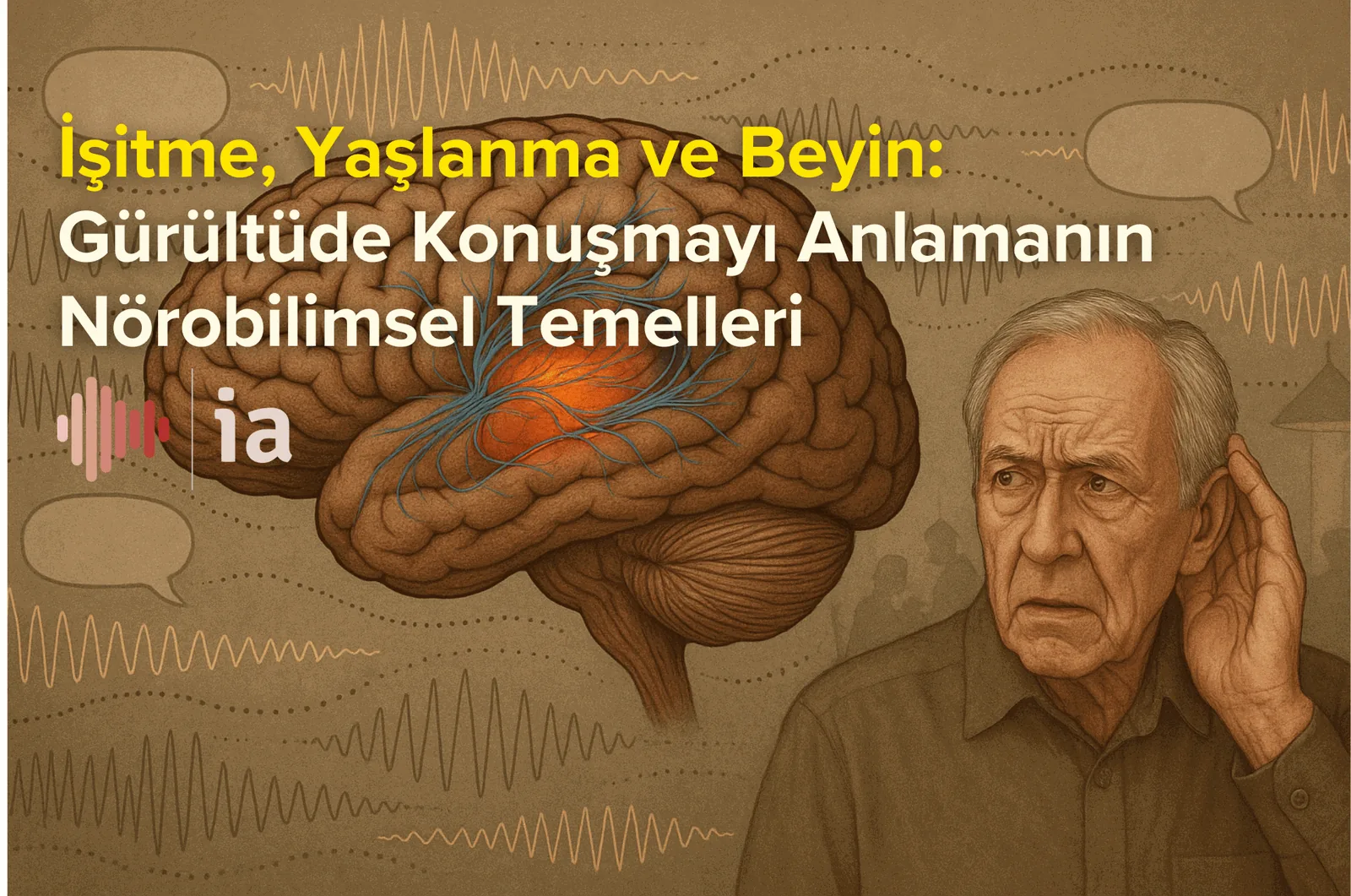
Age is one of the key factors affecting the auditory system; in particular, the ability to understand speech in noise changes with aging.
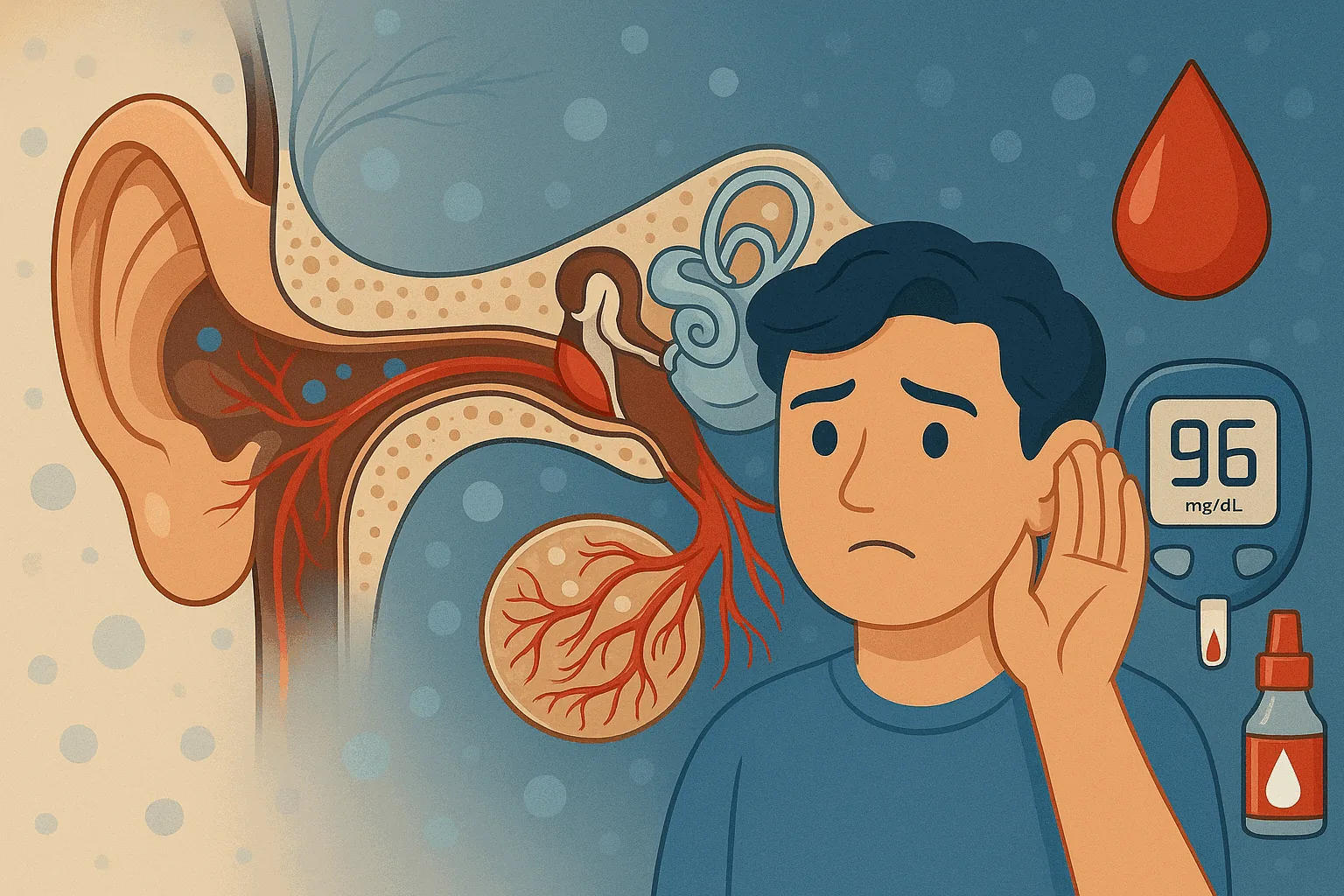
Diabetes is known to affect the eyes, kidneys and heart; however, its impact on the auditory system is often overlooked.
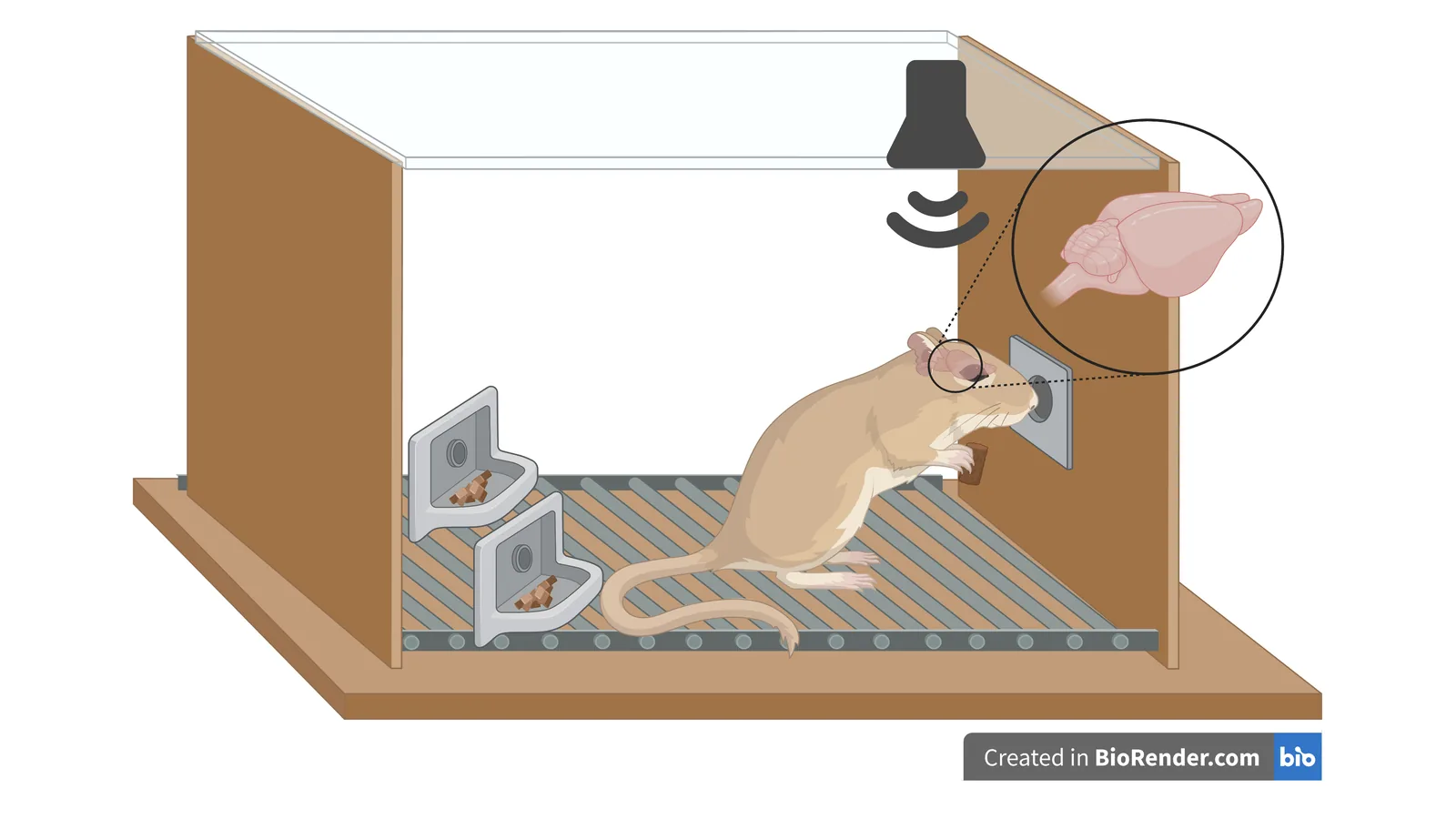
Noise-induced hearing loss may weaken the brain's auditory-stimulus-based decision-making processes. A new study examines this relationship.