Audiologist Niyazi Arslan graduated from the Arizona State University Doctoral Program in Speech and Hearing Science.
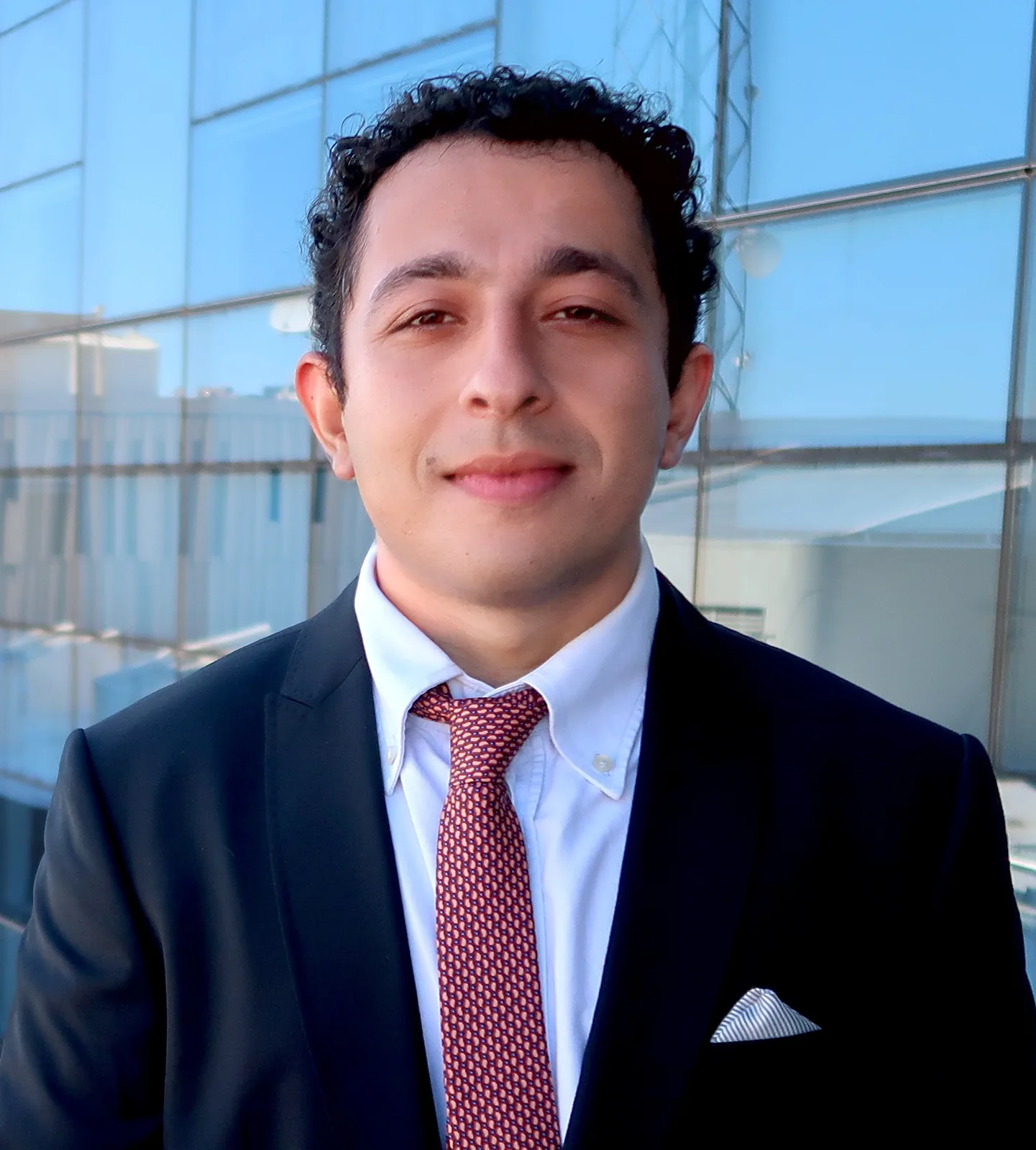
Audiologist Niyazi Arslan has graduated from the Arizona State University Doctoral Program in Speech and Hearing Science!
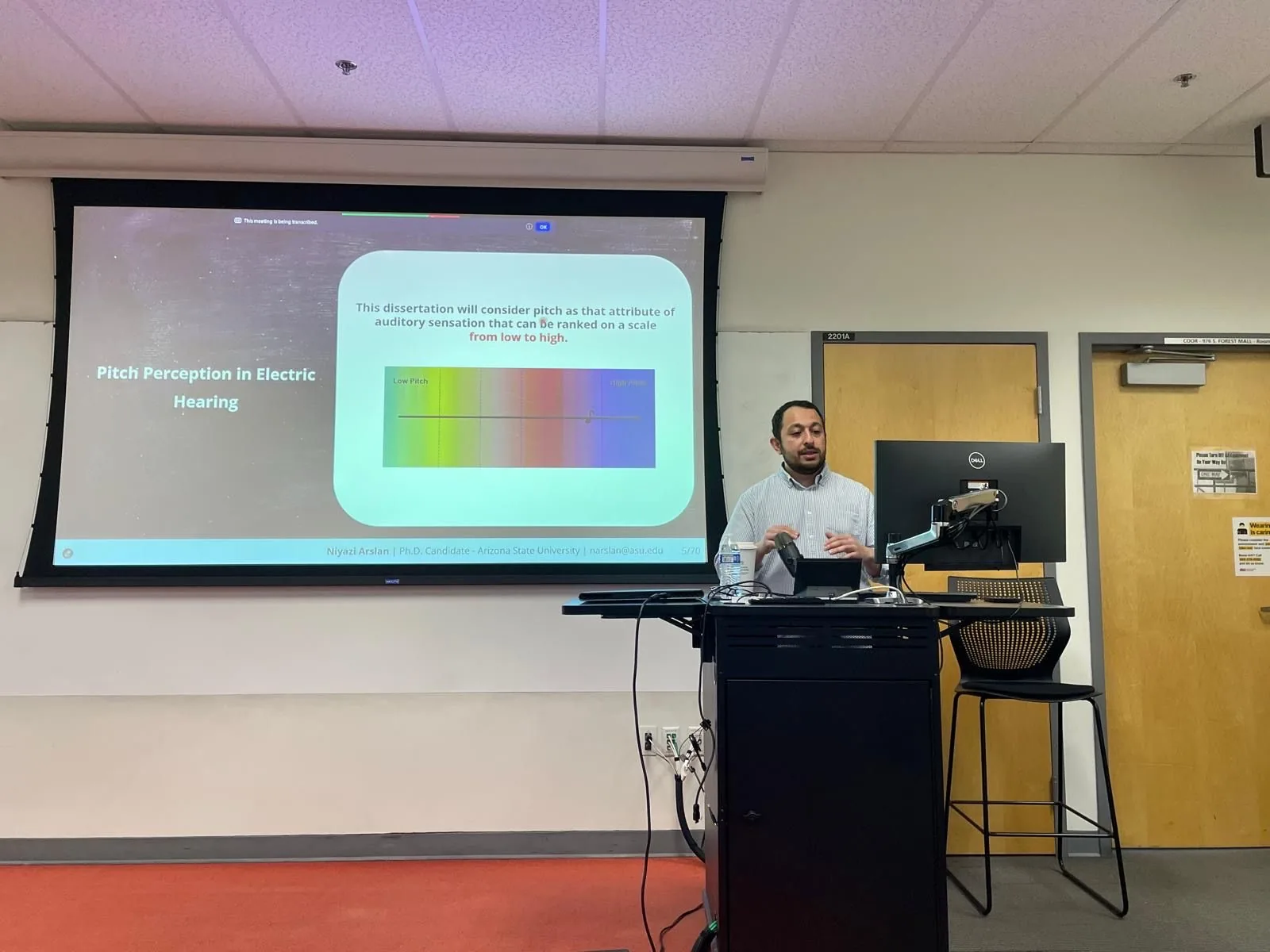
Niyazi Arslan earned the title of "Doctor" by successfully defending his doctoral thesis titled "Exploring the Influence of Neural Health on the Efficacy of Electrical Field Shaping Techniques in Cochlear Implant Recipients," supervised by Xin Luo.
We congratulate our esteemed colleague Niyazi Arslan and wish him continued success.
Cochlear implants (CIs) restore the sense of hearing in individuals with moderate to severe sensorineural hearing loss. However, CI users exhibit poor pitch sensitivity that adversely affects their performance in complex listening tasks such as understanding speech in noise and music appreciation. This thesis investigated how neural health and stimulation configurations affect the pitch sensitivity of CI users.
The findings revealed that anodic-centered triphasic pulses show clear potential for improving place-pitch sensitivity compared with conventional methods; however, there is widespread variability across users, and current indirect estimates of neural health remain limited in reliably predicting these outcomes. More robust assessments are therefore needed for personalized CI programming.
 İşitmeAtölyesi