
Noise-induced hearing loss may weaken the brain's auditory-stimulus-based decision-making processes. A new study examines this relationship.
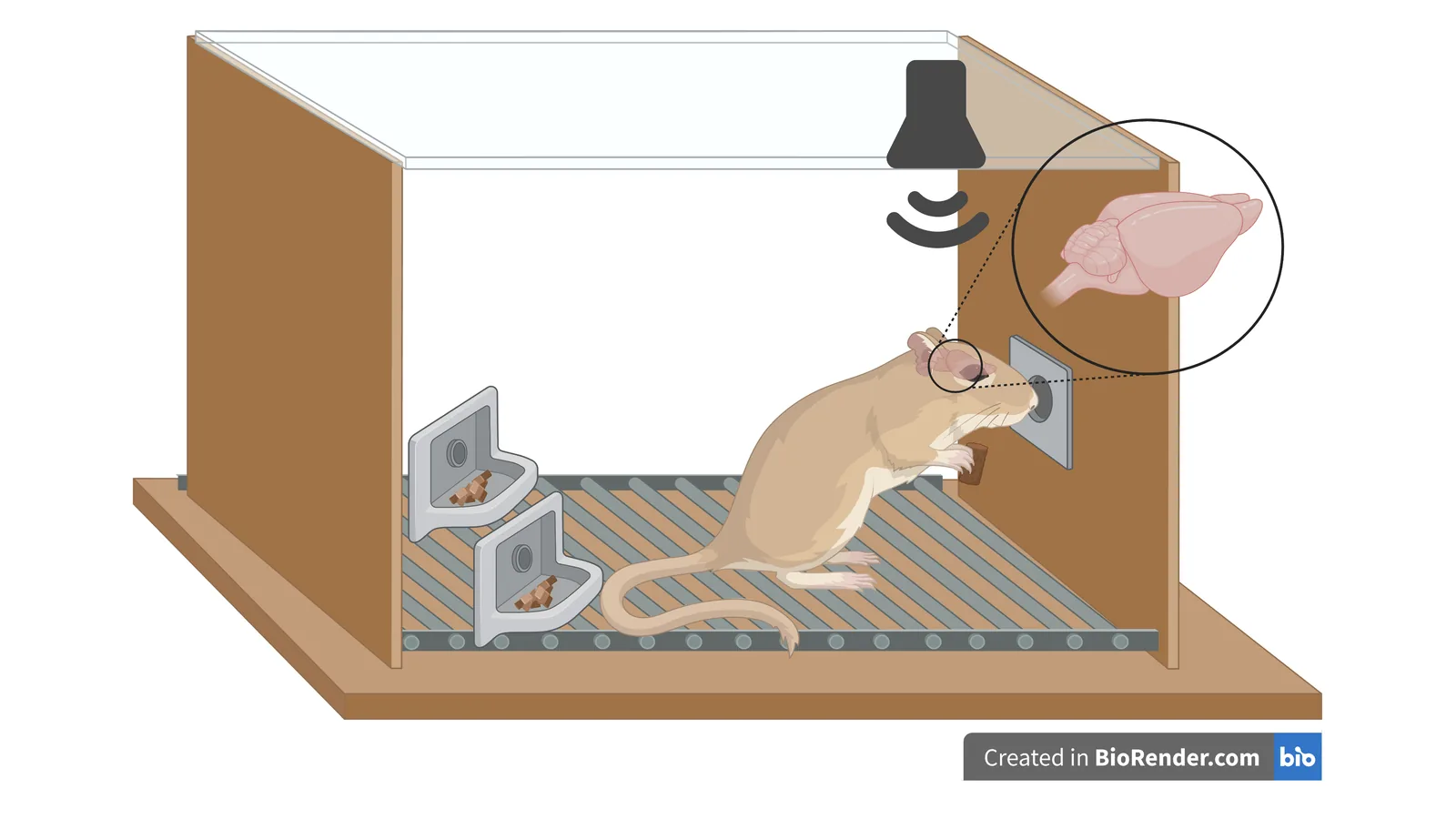
According to a new study, noise-induced hearing loss adversely affects not only hearing but also decision-making processes based on auditory stimuli. In experiments on rodents, noise exposure did not merely cause hearing loss; it also shortened attention span and weakened decision-making abilities, lowering correct-response rates. The results show that noise-induced hearing loss produces widespread effects at both the sensory and cognitive levels.
Permanent hearing loss: Two hours of exposure to high-intensity sound (120 dB SPL) caused permanent hearing loss. Cognitive impact: The drift rate expresses how quickly and reliably the brain gathers information before a decision; in noise-exposed mice, attention span shortened and the drift rate decreased — decisions slowed and the risk of error increased. Motor impairment: Motor responses to auditory stimuli slowed or became irregular.
Adult Mongolian gerbils were taught a single-stimulus, two-alternative task based on discriminating amplitude-modulated broadband sounds (<6.25 Hz and >6.25 Hz). Each animal was then exposed to 120 dB SPL noise for two hours to induce permanent hearing loss (confirmed with auditory brainstem responses), and the tests were repeated 14 days later. The stimuli were normalized to each individual's threshold, so that it could be determined whether the performance difference was due to hearing loss or to cognitive/neurodynamic changes. A drift-diffusion model (DDM) was used to model decision processes; motor behaviors were analyzed with video tracking and SLEAP-based pose tracking.
This multi-layered approach aimed to reveal that noise-induced hearing loss also affects higher-order cognitive processes such as attention, decision-making and post-decision motor execution.
Berns, M. P., Nunez, G. M., Zhang, X. et al. (2025). Auditory decision-making deficits after permanent noise-induced hearing loss. Scientific Reports, 15(1), 2104.
 İşitmeAtölyesi