Japan's Honda Prize this year went to Graeme Clark in Melbourne and Ingeborg Hochmair in Innsbruck. One stands at the origin of Cochlear, the other of MED-EL.
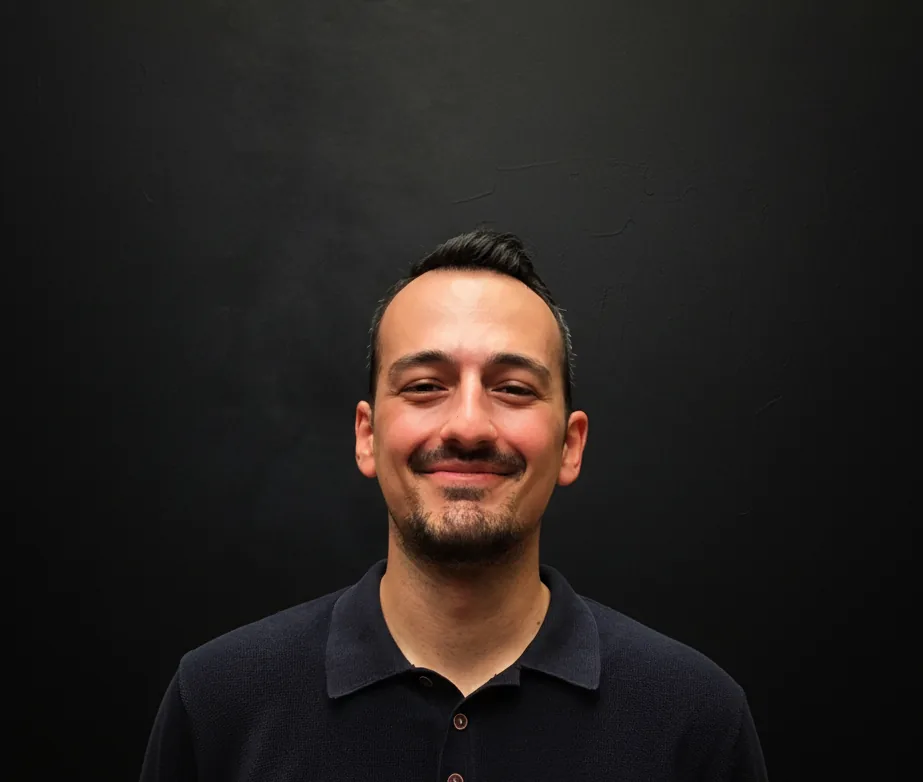
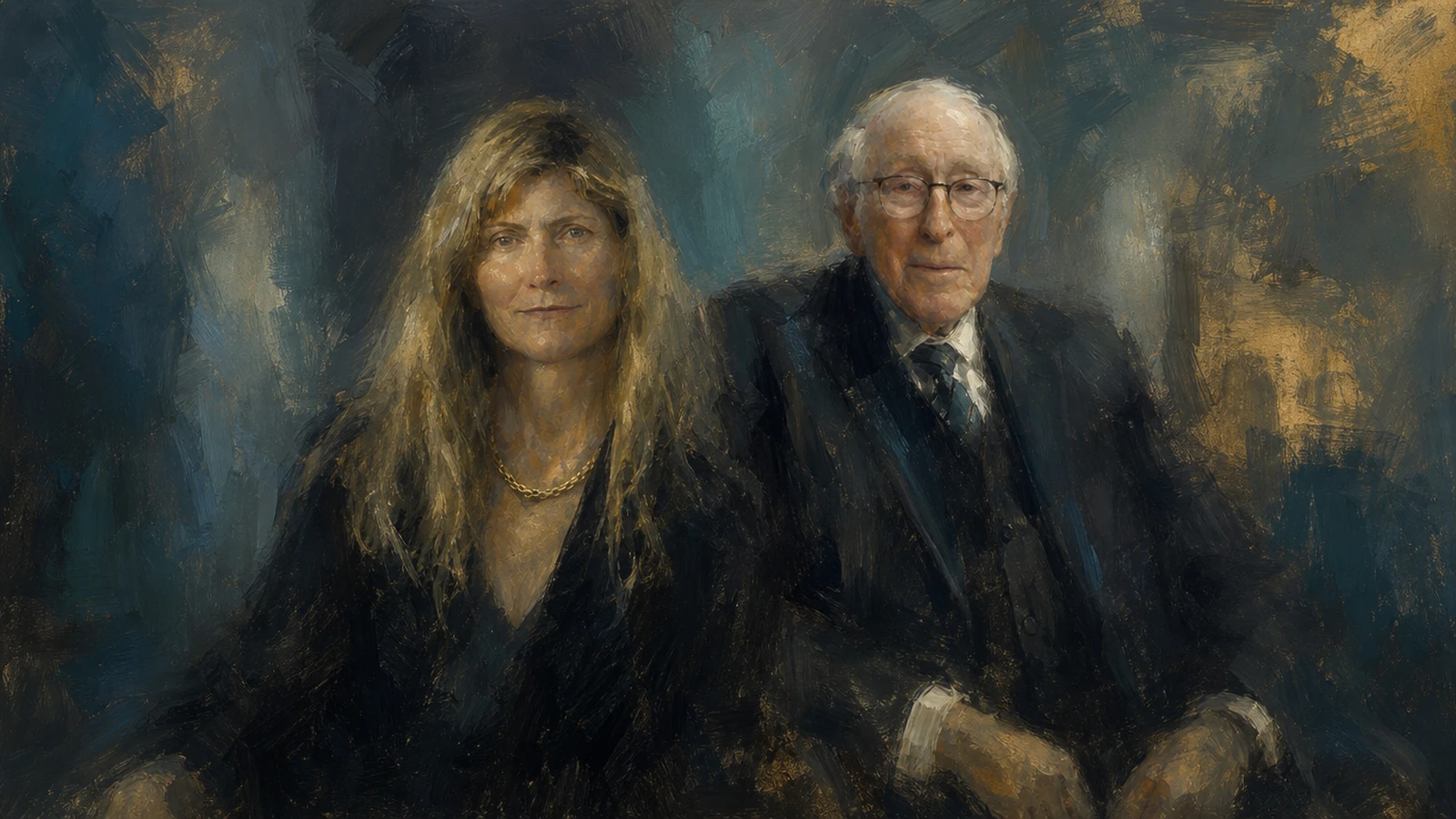
The Honda Foundation announced on 15 September that the 2026 Honda Prize goes to Prof. Graeme M. Clark and Dr. Ingeborg Hochmair. Clark is Laureate Professor Emeritus at the University of Melbourne; Hochmair is co-founder and CEO of MED-EL. The citation is the same for both: spearheading the research, development, clinical application and worldwide adoption of the multichannel cochlear implant.
This is the 47th Honda Prize. It carries 10 million yen, shared between the two laureates, along with a medal and a certificate. The ceremony will be held on 16 November at the Imperial Hotel in Tokyo.
The prize going to two names is not an accident. Clark and Hochmair worked on the same problem at opposite ends of the world, unaware of one another.
The two brands that now sit side by side in clinics trace back to two people sharing one prize.
That the auditory nerve can be stimulated electrically had been known since the 1960s, but a signal delivered through a single electrode was not enough to understand speech. The multichannel approach uses the tonotopic organisation of the cochlea: different frequency bands are sent to separate electrodes sitting in different regions of the cochlea.
The Foundation's statement spells the reasoning out: both laureates approached electrode design, signal conversion, neural stimulation, surgical technique and safety from the scientific, medical and engineering sides, and refined the system repeatedly. The prize is not for a single invention but for the long list of things that made an idea usable in the clinic.
The prize has been awarded every year since 1980 by the Honda Foundation, established in 1977 with donations from Honda Motor's founder Soichiro Honda and his brother Benjiro. The Foundation builds the award around the idea of "ecotechnology": science and technology that harmonises the natural and human environments and addresses social problems. It was Japan's first international science and technology award, predating both the Kyoto Prize and the Japan Prize.
Past laureates give a sense of the scale: Shuji Nakamura for the blue LED (2000), Fujio Masuoka for flash memory (2018), Ian Frazer for the cervical cancer vaccine (2009), Geoffrey Hinton for deep learning (2019), Lotfi Zadeh for fuzzy logic (1989) and Denis Le Bihan for diffusion MRI (2012). Nakamura went on to win a Nobel fourteen years later, Hinton five.
Clark is 91. In the University of Melbourne's announcement he describes the award this way: "It is a great honour to be a co-recipient of the Honda Prize as it highlights the importance of using technology for human welfare and, in my case, giving hearing to severely deaf people."
He traces his own path back to his father: "This was my dream as a five-year-old as I knew how difficult life was for my deaf father." And: "When I started my research in 1967, I could not have imagined the benefits for adults and children."
Prof. Glyn Davis, Interim Vice-Chancellor of the University of Melbourne, said Clark "worked tirelessly for decades to develop and refine the multichannel cochlear implant, achieving major advances in scientific understanding along the way."
According to the Foundation's statement, more than one million people worldwide have received cochlear implants. The statement notes that the technology enables language acquisition and education for children, social participation and employment for adults, and better quality of life for older people.
The Foundation calls the cochlear implant "the first medical technology to restore a human sensory function" and "a foundation for human-machine interaction and neuroengineering." Clark makes the same point: "Thus, it has become the first means of restoring a human sense and paves the way for restoring brain function through neural engineering."
2026 has been a dense year for Clark. After the Queen Elizabeth Prize for Engineering and the Richard N. Merkin Prize in Biomedical Technology, shared among five cochlear implant pioneers, the Honda Prize is his third this year. He had previously received the Lasker~DeBakey Award in 2013 and the Russ Prize in 2015.
 İşitmeAtölyesi